
Search queries and social media posts regarding the QFS account scam have surged across online platforms. Fraudulent operators actively target individuals with promises of instant wealth, total debt relief, and “quantum-backed” digital assets. Understanding the plain mechanics behind these claims is crucial to safeguarding your personal information, family savings, and financial accounts.
A QFS account refers to a fake banking account linked to a non-existent “Quantum Financial System.” Promoters of this online myth claim that a secret, off-grid global monetary network managed by quantum computers will soon replace existing SWIFT and central banking systems. In reality, no central bank, commercial bank, or government agency recognizes or operates a QFS network. The entire concept is an online hoax created to execute advance-fee fraud, steal identities, and take over personal bank accounts.
Anatomy of the Hoax: What Is the “Quantum Financial System”?
To avoid falling for the QFS account scam, it helps to understand the story scammers tell. According to online posts, the Quantum Financial System is a secret, unhackable financial network powered by satellite-hosted quantum computers. Promoters claim this system operates entirely outside traditional banking channels and is tied to long-running online conspiracy theories, such as NESARA and GESARA (National/Global Economic Security and Reformation Act).
Proponents tell targets that the QFS will soon do the following:
- Eliminate all existing personal debt, including mortgages, credit cards, and student loans.
- Replace paper money with gold-backed digital accounts for every person on Earth.
- Give every citizen a pre-funded “QFS ledger account” containing hundreds of thousands—or millions—of dollars.
- Allow users to access their wealth using special plastic “QFS ledger cards” or private mobile apps.
Real-world banking works completely differently. Money movement across the world does not run on secret satellites. Instead, it relies on established, heavily regulated networks. Commercial banks use secure messaging platforms like SWIFT, standardized data systems like ISO 20022, and regional clearing systems such as FedNow and TARGET2.
Every legitimate financial institution operates under strict government oversight. They must follow laws like Know Your Customer (KYC) and Anti-Money Laundering (AML) regulations to prevent fraud and illegal money transfers.
| Vector | QFS Scam Claims | Real Global Banking |
| System Design | Secret quantum network hosted on satellites off the main internet. | High-speed server centers connected by secure, encrypted fiber lines. |
| Who Runs It? | Managed by secret groups, military alliances, or unknown guardians. | Regulated by national central banks, financial treasuries, and government agencies. |
| How You Access It | Unlocked through Telegram links, special setup sites, or fake plastic cards. | Accessed through real bank branches, official banking apps, and verified identification. |
| Money Backing | Instant access to secret gold reserves and free money distributions. | Backed by national government economies, official reserves, and real assets. |
The 4 Primary Mechanisms of the QFS Account Scam
Criminal networks use the QFS account scam to steal money and personal details in four main ways. Each method targets different types of victims.
1. Advance-Fee Fraud (“Ledger Setup Fees”)
The most common version of the QFS account scam relies on classic upfront-fee fraud. Scammers send messages telling victims that their “QFS account” is ready and holds a huge cash balance. However, to unlock or activate the account, the victim must first pay a small “setup fee,” “clearance tax,” or “registration charge” ranging from $50 to $500.
Scammers always demand payment through unrecoverable methods, such as:
- Cryptocurrency transfers (Bitcoin, USDT, or Ethereum)
- Digital gift cards (Apple, Google Play, or Steam cards)
- Wire transfers or peer-to-peer payment apps
Once the victim pays the first fee, the scammer invents new excuses. They claim the money is held up by “customs,” “banking clearance,” or “tax verification,” and demand even more money. The payout never comes because the account does not exist.
2. Credential Harvesting & Account Takeovers
In this tactic, scammers set up fake login websites designed to look like official “QFS Banking Dashboards.” They share these links through social media posts, private text messages, or email campaigns.
Victims are told to “connect” or “sync” their existing traditional bank accounts or digital crypto wallets to receive their new QFS payouts. The fake website asks users to type in:
- Online banking usernames and passwords
- Full Social Security or national identification numbers
- Credit card details and PINs
- 12-word recovery seed phrases for crypto wallets
As soon as the victim enters this information, threat actors log into the victim’s real bank account or crypto wallet. They steal all available funds, apply for rapid loans under the victim’s name, and completely lock the owner out.
3. Foreign Currency Revaluation (RV) Schemes
Scammers often merge the QFS account scam with foreign currency revaluation schemes. In these setups, promoters convince targets to buy low-value, historical, or hyper-inflated bank notes—such as the Iraqi Dinar, Vietnamese Dong, or old Zimbabwean Dollars—at marked-up prices.
Promoters claim that when the QFS officially “turns on,” the global monetary system will reset. They promise that these low-value paper notes will instantly revalue at a 1:1 rate with the US Dollar. Victims buy stacks of worthless paper currency expecting to become instant millionaires, only to find that no bank will convert them at those rates.
4. Fake “QFS Gold Tokens” & Visual Dashboards
To target people interested in cryptocurrency, scammers create custom digital tokens on public blockchains and label them “Official QFS Gold Tokens.” They promise that these tokens are backed by real physical gold stored in secret vaults.
Other scammers build fake phone apps or web dashboards. When a victim logs in, the screen displays a fake account balance showing millions of dollars. The balance is just numbers typed into software code. When the victim clicks “Withdraw,” the app shows an error message stating they must deposit real money first to unfreeze their funds.
Legitimate FinTech vs. The QFS Scam: Misusing Real Tech Words
The QFS account scam sounds believable to many people because promoters use real tech words taken from current news headlines. By mixing real technical jargon with fake promises, scammers trick readers into believing their claims are backed by real science.
Central Bank Digital Currencies (CBDCs)
Scammers often claim that CBDCs are proof that the Quantum Financial System is launching. In reality, CBDCs are simply digital versions of national money (like a digital US Dollar or e-CNY) tested by official central banks. They are designed to make standard payments faster and cheaper. CBDCs are official government projects—not part of a secret global network that wipes out debt or gives away free gold.
Post-Quantum Cryptography (PQC)
Scammers use the word “quantum” to make their fake system sound futuristic and powerful. In the real world, “post-quantum cryptography” refers to advanced math formulas created by computer scientists to keep data safe. Security teams at standard banks use PQC to update their firewall defenses so future quantum computers cannot crack regular account passwords. PQC is an encryption update for online security—it is not a new global banking system, token, or financial account.
Why People Fall for QFS Claims
The QFS account scam succeeds because it targets people who are struggling financially or feeling stressed about money. Rising living costs, debt, and distrust in traditional financial institutions make the promise of easy money extremely tempting.
Scammers build close-knit, online communities on messaging platforms like Telegram. Inside these groups, community managers use high-pressure tactics to keep members hooked:
- Utopian Promises: They offer an easy fix to financial problems by promising free money, debt wipes, and total financial freedom.
- Cult-Like Rules: Group leaders tell members to trust only internal group updates and accuse mainstream news, banks, and government agencies of lying.
- Isolation Tactics: Scammers tell members not to talk about their QFS accounts with family, friends, or local bank branch workers, calling outsiders “doubters” who will ruin their financial setup.
This social pressure keeps victims trapped in the scheme for months, causing them to send payment after payment in hopes that their promised payout will finally arrive.
How to Protect Yourself and Report Fraud
If you or someone in your network has interacted with a QFS account scam promoter or typed details into a fake QFS website, take these protective steps immediately:
Step 1: Cut Off Financial Access
- Stop All Payments: Cease sending money immediately. Never pay a fee to collect a prize, loan, or investment payout.
- Contact Your Bank: Call your bank’s official fraud department immediately. Tell them you accidentally shared account details on an unsafe site. Ask them to freeze compromised accounts, cancel linked debit cards, and issue new login details.
- Freeze Credit Reports: Contact major credit bureaus to place a freeze on your credit file. This prevents scammers from opening new credit cards or taking out loans in your name.
Step 2: Clean Up Your Digital Security
- Change Passwords: Update passwords across all your online accounts, especially your main email, online banking, and social media pages. Use long, unique passphrases for every site.
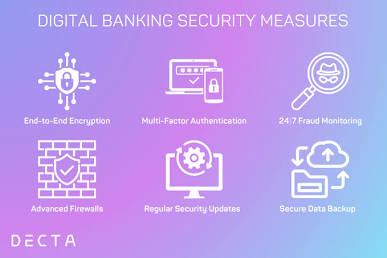
- Enable Two-Factor Authentication: Turn on Multi-Factor Authentication (MFA) using an authenticator app or hardware security key rather than standard SMS text messages. If you manage an organizational network, follow our step-by-step Multi-Factor Authentication Setup Guide for SMBs (2026)
to deploy hardware-enforced keys. - Scan Your Devices: If you downloaded any files, software, or apps recommended by a QFS promoter, run a full antivirus scan on your computer or phone to search for hidden spyware or keyloggers.
Step 3: Report the Scam to Authorities
Gather your records, including chat screenshots, web links, wallet addresses, and payment receipts. File official reports with these consumer protection agencies:
- In the United States: Submit a report to the FBI Internet Crime Complaint Center (IC3) and the Federal Trade Commission (FTC).
- In the United Kingdom: File a report with [suspicious link removed].
- International: Report the incident to your national police force or local consumer protection office.
Frequently Asked Questions
Can my real bank convert my money into a QFS account?
No. Standard banks operate under strict national laws and do not recognize, use, or connect to any “QFS account.” Any person or website claiming they can convert your bank balance into a QFS account is attempting to steal your money.
Are physical QFS cards or metallic coins real?
No. Any physical plastic “QFS card” or gold-colored coin sold online is a cheap novelty item. Scammers sell these fake items to extract setup fees and steal personal shipping addresses.
Why haven’t government agencies shut down all QFS websites?
Scammers operate across thousands of private chat groups, changing social media handles, and offshore web servers. As fast as law enforcement agency teams shut down one fake site or group, scammers set up new accounts under different names to continue the scheme.